In today's business world, where information is constantly flowing, document managementhas become crucialTechnology plays a fundamental role in this process, as a catalyst for change, since it offers tools and solutions that optimize workflows, reduce paper usage and enable quick and easy access to information.
In addition, technology also saves time and resources by automating tasks that previously required a lot of manual work and allows companies to manage large volumes of information efficiently and effectively..
In this workshop we will learn about the Main technologies involved in document management and in IAGen to accelerate digitalization and access to documentary information
Diary
Digital strategy without paper?
Main technologies
The document and its different applications
IAGen and the acceleration of digitalization
Cómo nos convertimos en una empresa «Paperless»
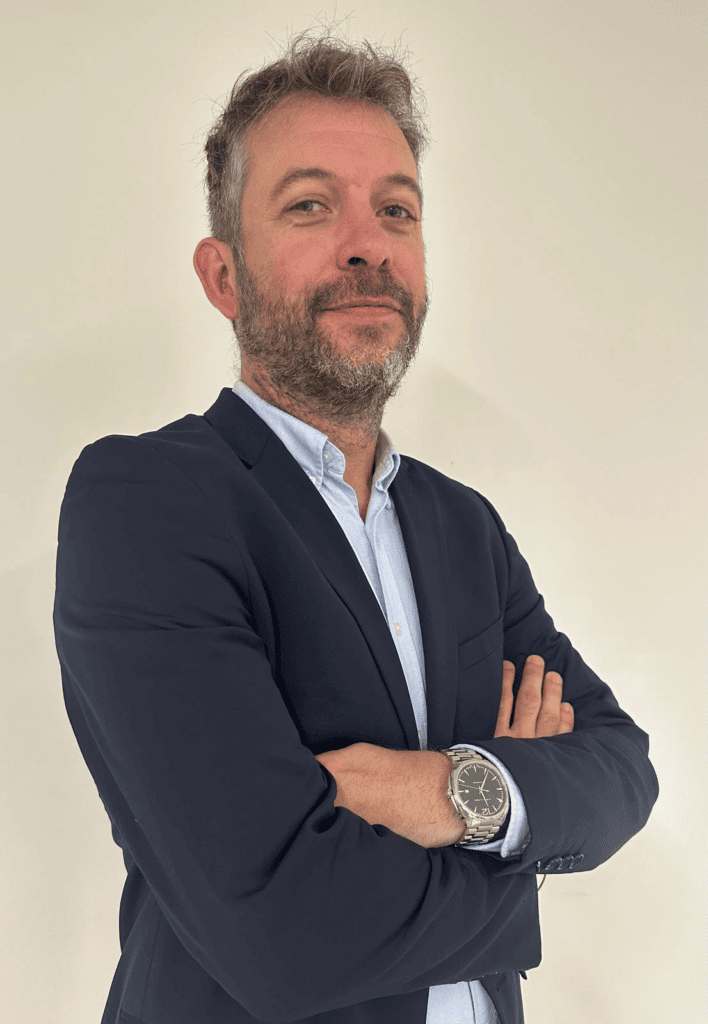
Speaker
Carlos Junquera
Carlos has extensive experience in the technology sector, having been an entrepreneur and subsequently having worked in different positions, both at Microsoft and Salesforce.
He is currently also a professor at the EAE.
He is an expert in digital transformation applied to the reality of companies and in CRM and, over the last 10 years, he has actively participated in the transformation of more than 200 Spanish companies.
Sign up to our Digital Transformation Content Platform (Free access) where you can view this and all the sessions carried out from the COIIAS Acelera Pyme Office